



Eighty per cent of frontline teams still rely on pen, paper and WhatsApp to manage daily operations. That is not a technology gap. It is a design gap. The tools that exist were never built for the people who actually need them.
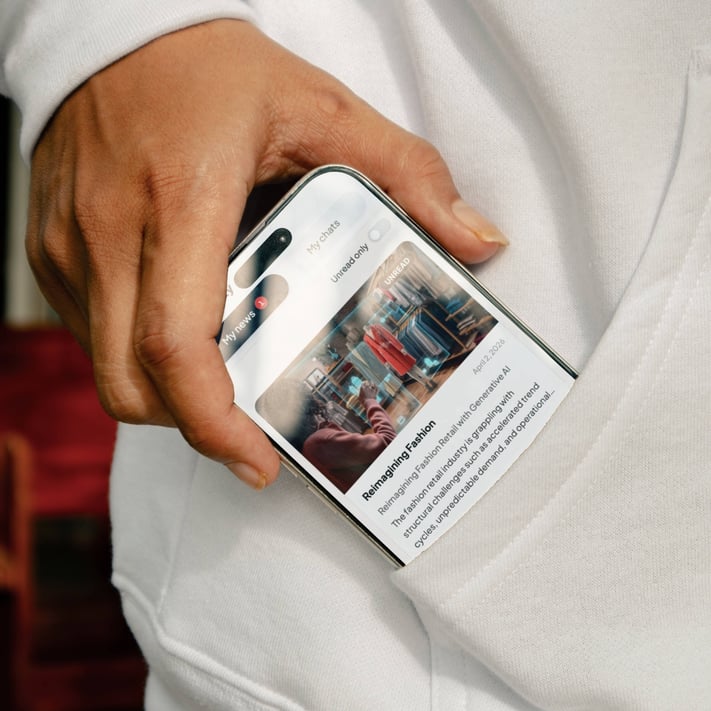
Mobile-first learning works for frontline teams because it meets workers at the device they already carry, in the window they actually have, with content short enough to complete between customers. MobieTrain clients in cosmetics retail have seen new hire error rates drop by half within the first month of switching to mobile-first microlearning.
The Deskless Majority
More than two billion people work in frontline roles globally. They run your restaurants, staff your boutiques, open your hotel rooms and serve your customers every single day. They are also, almost universally, the workers least served by workplace technology.
Approximately 80 per cent of frontline workers do not have access to a company device or desktop workstation. LMS platforms built for desktop browsers are structurally inaccessible to most of the people they are meant to serve.
Learning management systems were designed for office environments: desktop browsers, scheduled sessions, HR portals. They were not designed for someone forty-five seconds from the next customer, standing behind a counter, with a two-minute break between orders.
What Mobile-First Actually Means
A genuinely mobile-first learning experience does not mean your old LMS rendered on a smaller screen. It means content built specifically for short attention windows.
Push notifications that arrive at the right moment rather than a generic weekly reminder. Formats that work with a thumb and a brief glance: a short video, a three-question check, a quick reference card on the new seasonal range.
It also means zero friction. No login process that takes thirty seconds. No app that asks for IT credentials nobody has on hand. A frontline employee should be able to complete a training module in the time it takes their colleague to serve the next customer.
The Business Case
MobieTrain clients in cosmetics retail: new hire error rates dropped by half within the first month of switching to mobile-first microlearning. QSR clients report team members arriving for shifts with product knowledge already current before the manager brief has started.
The brands that figure this out first do not just train better. They retain better. Employees who feel equipped to do their job well stay longer. In an environment where frontline turnover is one of the biggest operational costs a brand carries, that is a balance sheet item, not a soft metric.
See practical examples in our article on how to quickly train retail frontline staff without classroom methods.
Frequently Asked Questions
What does mobile-first learning mean for frontline teams?
Mobile-first learning means training content designed for a smartphone screen, deliverable in under three minutes, accessible without a desktop login or company device. For frontline workers in retail and hospitality, this is the difference between training that gets used and training that gets ignored. MobieTrain is built from the ground up for this environment.
Why do frontline employees not engage with traditional LMS platforms?
Traditional LMS platforms require a desktop browser, a company login and a scheduled block of time. Frontline workers have none of these during a shift. Completion rates on desktop LMS platforms in retail and hospitality are consistently below 30 per cent. Mobile-first platforms with push notification delivery routinely achieve above 70 per cent daily active usage, according to MobieTrain client data.
How does mobile learning reduce frontline staff turnover?
Frontline employees who receive consistent, relevant training in their first ninety days are measurably more likely to remain at twelve months. MobieTrain client data shows that locations with high daily microlearning engagement see significantly lower ninety-day attrition than locations with low platform usage.